
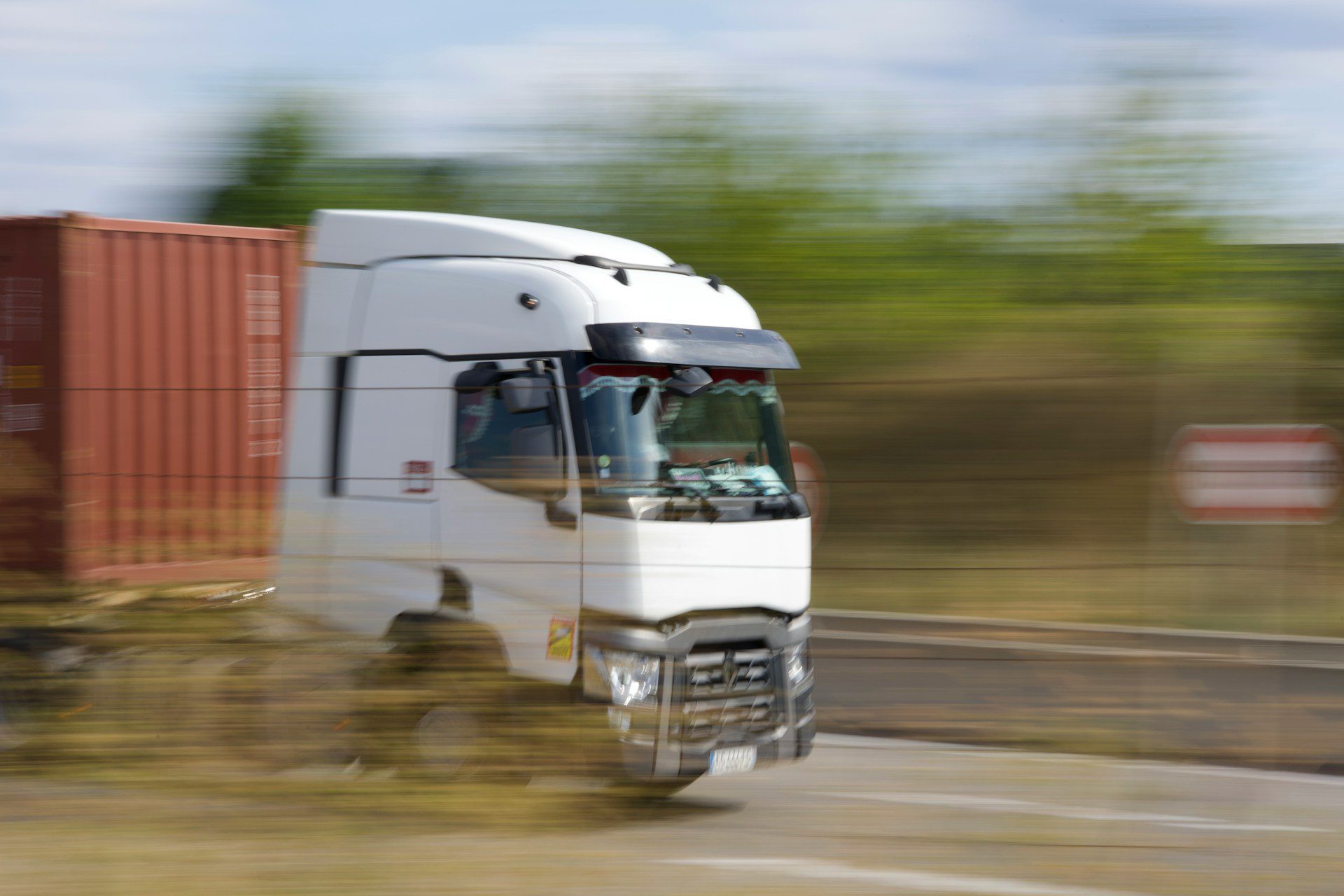
The pavement ended forty miles back. The last fuel stop is behind you, the forest road ahead climbs through washboard and ruts toward a ridge where you plan to sleep, and everything you need for the next five days is bolted to, strapped into or sitting on top of your truck. If you have ever asked what is overlanding, that scene is most of the answer: vehicle-supported travel into remote country, where the journey matters more than any single obstacle and you carry your own food, water, fuel and shelter.
Overlanding means the route is the point
Most overlanders would define it as self-reliant, multi-day travel by vehicle, mostly on unpaved roads, with camping along the way. Nobody is timing you and there is no finish line. The goal is to get somewhere far from town, live there comfortably for a while, and get home without calling for help.
That sets it apart from two neighbors it often gets confused with:
- Rock crawling and trail running are about the obstacle. The trip is usually a day long, the vehicle is light and purpose-built, and friends with recovery gear are close by.
- Car camping is about the campsite. You drive a paved or graded road to a developed site and set up next to the vehicle.
Overlanding sits between them. The terrain is usually moderate, but the distances are long, the vehicle is heavy with supplies, and help can be hours or days away. That combination is what shapes every decision about the truck.
What a typical overland trip looks like
A common pattern is a loop or point-to-point route made of forest service roads, two-track ranch roads, desert washes and the occasional rocky climb. Days are spent driving at modest speeds over rough surfaces. Evenings are spent setting up camp, cooking and checking the truck over. Some trips last a long weekend. Others run for weeks.
Planning matters more than horsepower. On national forest land, the Forest Service publishes a Motor Vehicle Use Map that shows which roads and trails are open to motor vehicles, what types of vehicles they are open to, and in which seasons. Experienced overlanders study maps like these before they leave, carry paper backups, and plan fuel and water stops with a margin.
Self-reliance is the other half. That usually means recovery gear, a full-size spare, a way to communicate without cell coverage, enough water for everyone aboard, and the knowledge to make basic trail repairs or wait safely for help.
Why heavy-duty trucks make strong overland platforms
You can overland in almost anything with decent clearance, but 3/4-ton and 1-ton pickups have become a popular base for longer and heavier builds. The reasons are practical:
- Load margin. A heavy-duty truck has the frame, axles, brakes and springs to carry a slide-in camper, a bed rack, water and supplies that would overwhelm a half-ton.
- Range and room. A full-size bed and cab leave space for gear, people and long-range supplies without stacking everything on the roof.
- Towing as an option. The same truck can pull a small off-road trailer or a toy hauler when the trip calls for it.
The trade-offs are real too. A big truck is harder to place on tight, overgrown trails, and its factory springs and shocks are tuned with the maximum rated load in mind. Empty or lightly loaded, that often means a stiff, jittery ride. Fully loaded on washboard, it can still feel overwhelmed.
Weight creep is the overlander's hidden problem
No single piece of overland gear is heavy enough to worry most owners. A steel bumper, a winch, a bed rack, a rooftop tent or slide-in camper, a fridge and battery, drawers, fuel cans, recovery boards, a second spare and full water tanks all seem reasonable on their own. Added together, they can push a truck far closer to its limits than the owner expects.
The only way to know is to weigh it. Take the truck to a certified scale loaded the way you actually travel, with fuel, water, people and gear aboard. Get a ticket that lists each axle on its own, then hold those numbers up against the GVWR and the two axle ratings printed on the driver's door sticker. Many owners find the rear axle carries far more than they guessed, especially with a camper or heavy storage behind the cab.
Two points are worth keeping straight. First, adding stiffer parts does not raise the manufacturer's ratings, so a build that is over its GVWR needs less weight, not more spring. Second, a truck that is within its ratings can still behave badly, because the issue is often how the suspension handles the weight it is allowed to carry.
How a loaded truck behaves off pavement
Weight shows up on the trail in predictable ways:
- Sag and lost clearance. The rear sits low, so the hitch, rear bumper and fuel tank skid plate meet rocks and ledges sooner.
- Bottoming out. Whoops and washouts use up the remaining suspension travel, and the truck slams into its bump stops.
- Wallow and lean. A high, heavy load sways on off-camber sections and leans hard in tight turns.
- Shock fade on washboard. Long stretches of small, fast bumps heat conventional shocks, and damping gets weaker as the day goes on.
- Nose-high attitude. Rear sag tips the front end up, which throws the headlights skyward and can leave the steering feeling vague, especially when heavy gear rides behind the rear axle.
Suspension priorities for a loaded overland rig
When you plan suspension for overland travel, think about the trip rather than a single number on a spec sheet. These are the priorities that matter most for a heavy truck carrying a heavy load:
- Stay level under load. A level truck keeps its clearance, steering feel and headlight aim, even with a camper or full water tanks in the back.
- Control the weight, not just hold it up. Damping that keeps up with washboard and whoops matters as much as spring capacity.
- Clearance when you need it, normal height when you don't. Extra height helps on ledges and ruts but makes a truck harder to park, garage and load.
- Keep the tires on the ground. Wheel travel and articulation let a tire drop into a hole instead of hanging in the air.
- Serviceability far from home. Simple, sealed systems with fewer things to leak or freeze are easier to trust at the end of a long road.
Building a heavy truck for long, loaded trips? Explore AdaptiveMotion™ overland suspension, built to hold a camper level and lift for trail clearance at the touch of a button.
Matching those priorities with AdaptiveMotion™
AdaptiveMotion™ answers most of that list directly. It is a fully active suspension for heavy trucks, from three-quarter-ton pickups up through Class 5, and it makes its own decisions: a sensor inside each shock reads the ground beneath that wheel 1,000 times a second, then the system adjusts damping, leveling and ride height for that corner without the driver touching anything.
What that means on an overland trip:
- Level with the camper on. Self-leveling never switches off, and it can correct for slopes of up to 33 degrees across the truck or along it, so the rear holds its height when the camper or full water tanks go in.
- Height on demand. Push a button and you gain up to 12 inches of lift for a rocky climb or a deep wash, and it settles back to factory ride height before you get home to the garage.
- Travel for uneven ground. Standard kits provide 8 to 14 inches of wheel travel (the number varies by truck and setup) and 44 inches of articulation. For bigger expedition builds, the PDS Custom Shop offers up to 28 inches of travel.
- A sealed system. The architecture is closed-loop and nitrogen-based, and its load-carrying job is not handed to air springs.
Hardware-wise, AdaptiveMotion™ arrives as a bolt-on 4-link system, front and rear, that goes on where the factory parts mount, and no torch or welder touches the frame. Your authorized upfitter does the fitting and confirms how it will integrate with your exact truck before anything is ordered. Each system is serialized, which means it is yours to unbolt and carry over when this truck gets traded in. On the fitment list right now: Ford Super Duty models in the F-250 to F-550 span, plus Ram trucks from the 2500 up to the 5500. For Chevy and GMC owners, fitment is planned for December 2026. Keep one boundary in mind: the system leaves your GVWR and payload rating exactly where they were. What it changes is how level and composed the truck stays within those limits. Between trips, the heavy-duty truck suspension page explains how it handles towing and daily miles.
Start with the trip, then build the truck
The best overland builds grow from real miles. Take a shakedown trip close to home with the truck mostly stock. Note what you used, what you never touched and what made the drive harder. Weigh the truck again after every major addition. Then spend money on the things that solve problems you have actually had, and give the suspension the same attention you give the camper and the gear, because it carries all of it.
Ready to set up your truck for the long way around? Read the AdaptiveMotion™ FAQs for fitment and warranty details, then ask Patriot to connect you with an authorized upfitter near your home base.
Frequently Asked Questions
Is overlanding the same as off-roading?
Overlanding is a kind of off-road travel, but the focus is different. Off-roading often centers on difficult obstacles over a short distance, while overlanding centers on covering long distances self-sufficiently, usually on moderate terrain, with camping built into the trip.
Do you need four-wheel drive for overlanding?
Many routes are graded dirt roads that a two-wheel-drive truck with good tires can handle in dry weather. Four-wheel drive adds a large margin for mud, snow, sand and steep climbs, which is why most overlanders choose it for remote routes where getting stuck is costly.
How much gear is too much for an overland truck?
Too much is anything that pushes the truck past its GVWR or either axle rating. The door label gives those limits, and a certified scale ticket with the truck fully loaded tells you where you stand. If you are close to the limit, trim gear before you add anything else.
Where can you legally drive and camp when overlanding?
Rules depend on who manages the land. On national forests, the Motor Vehicle Use Map for each forest shows which routes are open to vehicles and when. Other public lands publish their own travel and camping rules, so check with the managing agency before each trip.
Can a slide-in camper be used for overlanding?
Yes, and many overlanders prefer one for weather protection and comfort. A camper adds significant weight high on the truck, so check the camper's labeled weight against your truck's ratings and plan for suspension that keeps the rig level and stable on rough roads.